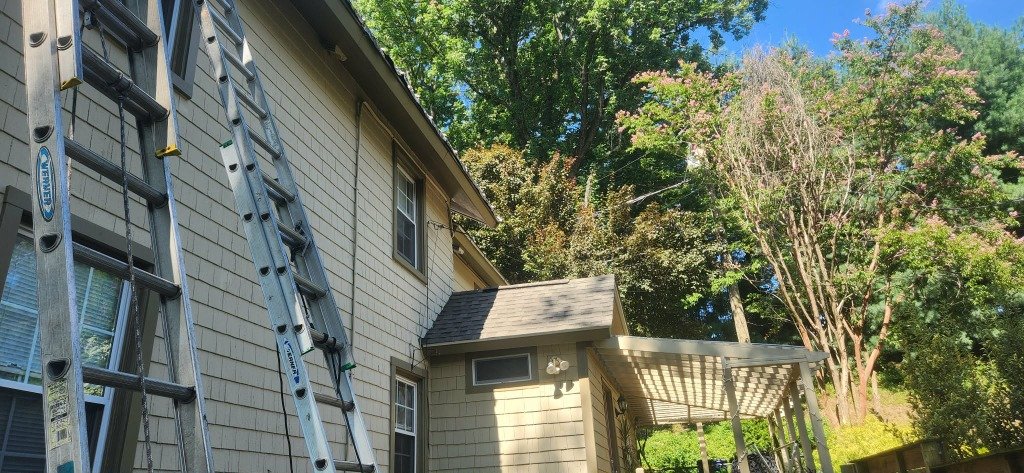
Many homeowners view a gutter cleaning as an
optional “nice-to-have” service. In reality, professional cleaning is a vital
maintenance requirement recommended for any home, regardless of roof age or gutter type. This guide explains
exactly what happens during a professional cleaning, what debris buildup is, and why skipping your
annual appointment is a gamble no homeowner should take.
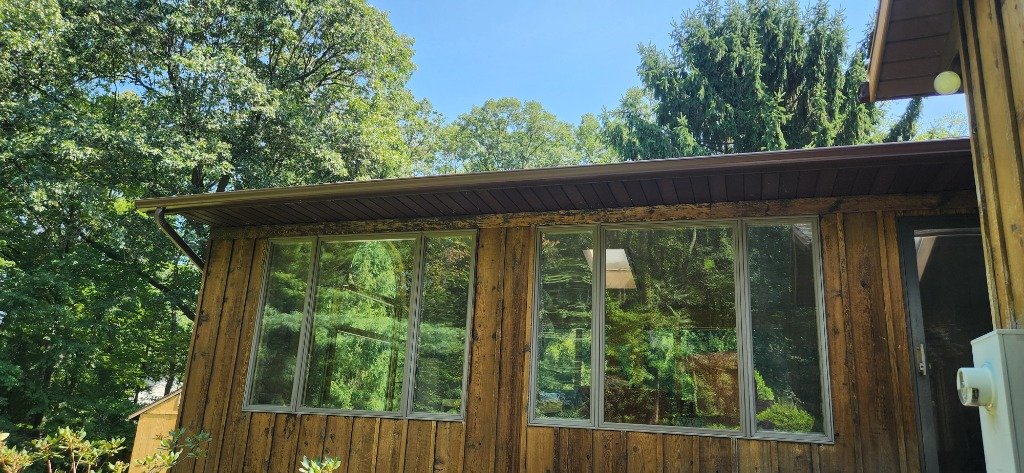
What Is debris buildup—and Why Is
It Dangerous?
debris buildup is a gummy, foul-smelling, and highly flammable byproduct of wood smoke. It
condenses on the cool inner walls of your gutter gutter channel every time you burn wood.
There are three distinct stages:
Stage 1
Dusty /
Flaky
Light soot, easy to
brush away. Routine cleaning handles this.
Stage 2
Crunchy /
Tar-Like
Harder to remove.
Requires professional equipment.
Stage 3
Glazed
& Shiny
Extremely dangerous
& hard to remove. High fire risk.
Annual cleaning prevents Stage 1 from ever becoming Stage 3. Even
Just an inch of compacted debris can completely block water flow and cause costly overflow damage.
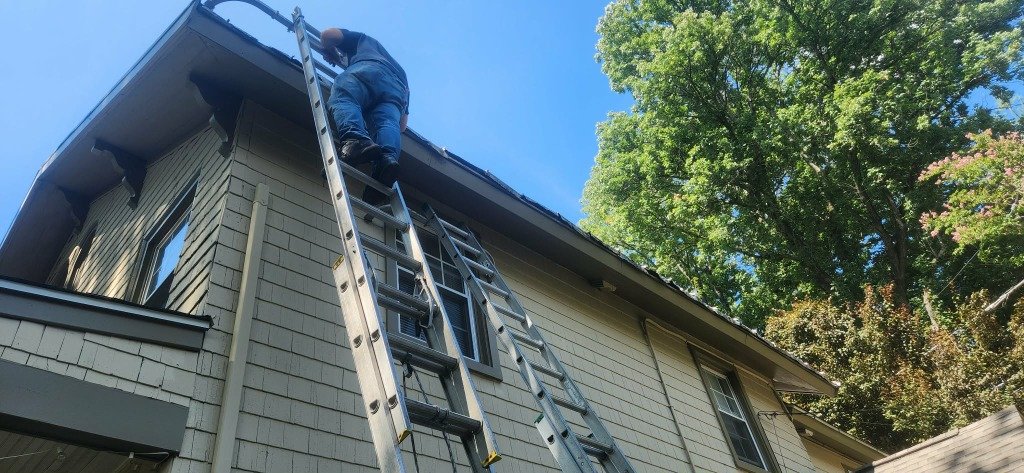
The Professional Cleaning Process
When our Gutters Baltimore technicians arrive, we don't just start brushing. We
follow a meticulous, mess-free process every single time:
1
Home Protection
We lay industrial
drop cloths and set up a high-powered HEPA vacuum to ensure not a speck
of soot enters your living room.
2
Level I Visual Inspection
We examine the
entire gutter run, downspout screens, and end caps before any
cleaning begins.
3
The cleaning
Specialized
professional blowers and hand tools clear all debris from the gutter trough and downspouts
(or top to bottom depending on access), removing all debris buildup and
soot.
4
Written Condition Report
We provide a full
written report detailing any defects or issues found. No surprises, no
pressure—just honest documentation.
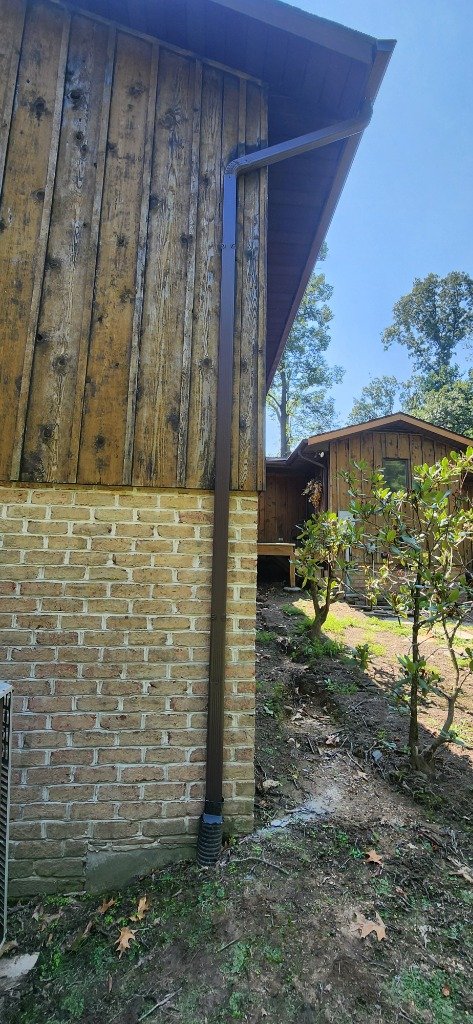
How Often Should You cleaning?
The industry standard recommendation is twice a
year—or after every cord of wood burned for heavy users. Even if
even relatively clean gutters benefit from an annual inspection to check for:
- Bird or animal nests
- Moisture damage or waterlogging
- Seismic or freeze-thaw cracks
- Blockages from debris or leaves